
Stretcher
Planning a longer non-emergency stretcher trip
Longer scheduled transfers need a complete route, realistic timing, access details, responsible contacts, and a confirmed receiving plan.
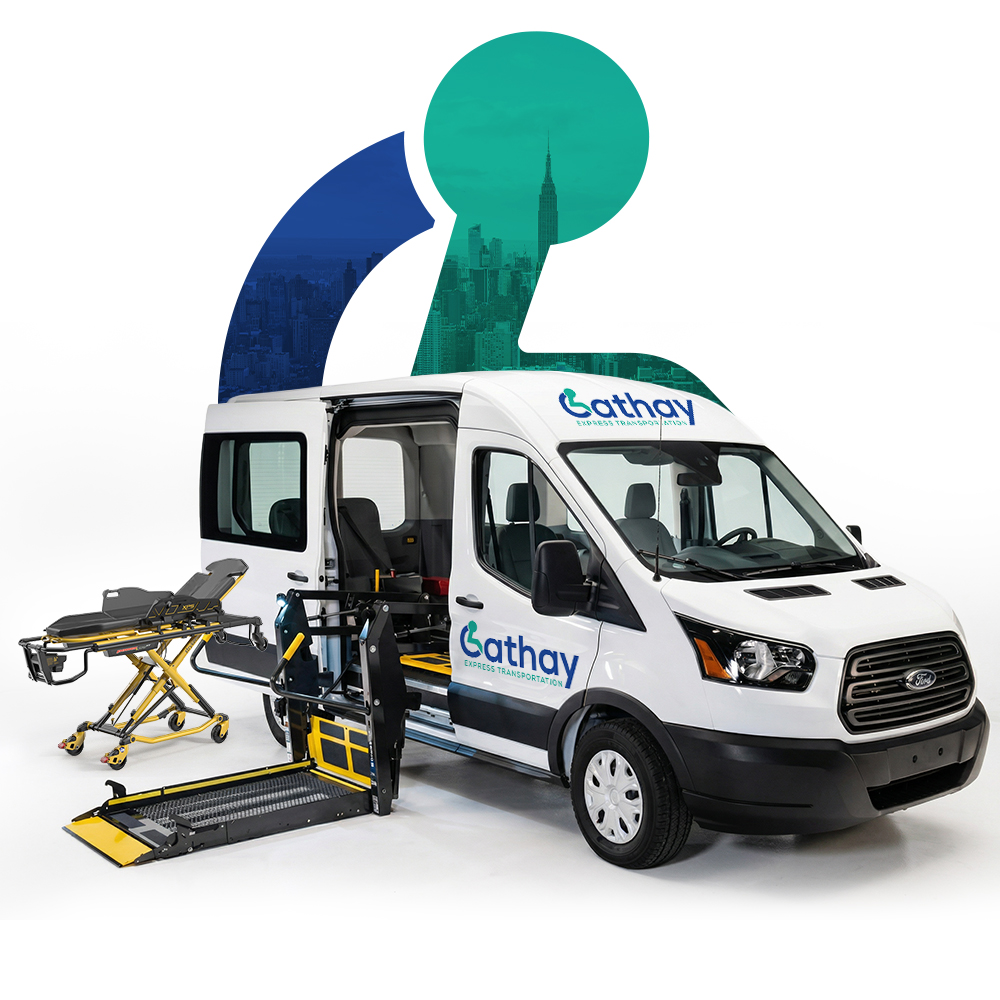
A longer non-emergency stretcher trip connects two access plans, two responsible teams, and more travel time than a local transfer. The transportation provider needs accurate information early enough to assess the request. Families and facilities also need to separate transportation logistics from clinical decisions that belong to the treating team.
Define the exact trip before discussing timing
Provide the pickup room or unit, building entrance, destination facility, receiving unit, planned date, and requested arrival requirement. Include stairs, elevators, loading areas, security procedures, and any restrictions at both locations.
A city name or main hospital address is not enough. Longer travel magnifies the effect of a wrong campus, entrance, or receiving location. Ask both facilities to confirm the details they control.
Let the provider assess the proposed schedule
Share the required arrival time and any facility deadline, but do not calculate pickup time from ordinary driving directions alone. Access, loading, dispatch planning, traffic, and the agreed transportation process all affect the itinerary.
Treat travel and discharge times as estimates until the responsible parties confirm them. If the sending facility cannot predict when the passenger will be ready, discuss how updates and rescheduling are handled before the trip day.
Separate clinical readiness from transportation readiness
The treating team must decide whether the passenger is clinically appropriate for a scheduled non-emergency journey and what approved equipment, medication, monitoring, or documentation is required. Transportation staff should receive the operational information necessary for the request without being asked to make a clinical clearance decision.
If an emergency develops, call 911. Scheduled stretcher transportation is not emergency response. A longer distance does not change that distinction.
Choose responsible contacts for the entire trip
Name a sending contact, receiving contact, family contact when appropriate, and the person authorized to resolve a change. Confirm that these people will be reachable during the proposed travel window.
Decide how the receiving team will be notified of an updated arrival estimate and what happens if the destination cannot accept the passenger. Do not begin with an unresolved receiving plan or assume the driver can locate an available bed or staff member.
Review belongings, access, and arrival together
List the personal items and approved equipment expected to travel, and ask the provider what can be accommodated. Clear the pickup path and verify the destination route from vehicle to receiving area.
Read back the full plan shortly before service: readiness, access, contacts, destination, equipment, and handoff. Contact Cathay to discuss the logistics of a planned longer-distance non-emergency stretcher trip.
Your next step
Discuss a longer stretcher trip
Connect with our team to discuss your needs and the available arrangements.