
Stretcher
Stretcher, wheelchair, or ambulance: why the service distinction matters
A guide to the questions families and facilities should ask when choosing the appropriate transportation level for a planned journey.
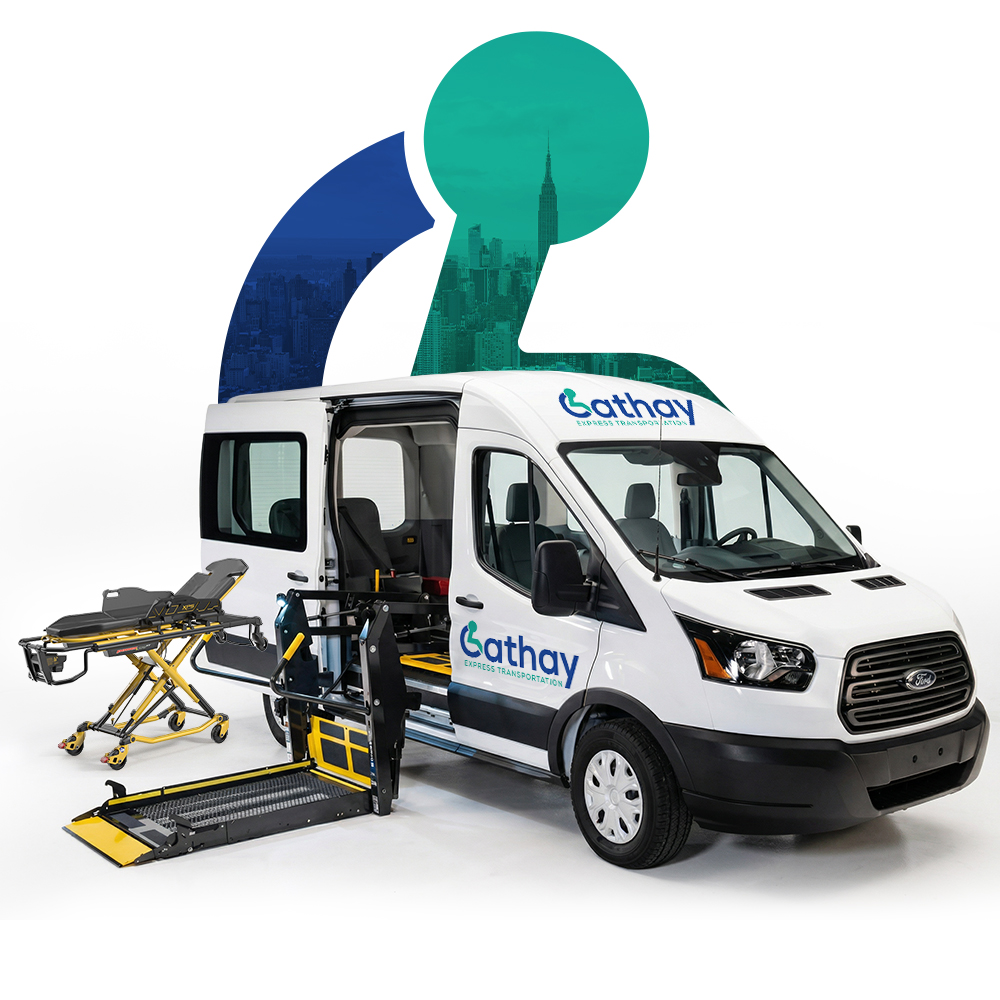
Transportation labels can be confusing when a family is arranging a transfer for the first time. An ambulette, a non-emergency stretcher vehicle, and an ambulance serve different needs. Choosing among them should begin with the passenger’s requirements and the care team’s assessment, rather than the appearance of the vehicle or the service that was used on an earlier trip.
Position and medical support are separate questions
A passenger’s need to remain lying down is important, but it does not fully describe the required transportation. The care team should also determine whether medical monitoring, treatment, or other clinical support is needed during travel. A stretcher is equipment; it is not evidence of a particular level of medical care.
When asking for a quote or booking a trip, explain the transportation requirements identified by the care team. Do not leave the provider to infer them from a diagnosis or the word discharge. The provider must be able to assess the request against the service and personnel available.
Understand what each arrangement is intended to do
Wheelchair transportation uses an accessible vehicle and appropriate boarding arrangements for passengers traveling with their mobility device. Non-emergency stretcher transportation accommodates a passenger who needs to remain lying down, with handling and transfer arrangements coordinated before the trip.
An ambulance provides a different transportation and clinical service. Whether a planned journey requires one is a question for the responsible healthcare professionals. Cathay’s non-emergency stretcher service should not be treated as a substitute when the passenger needs an ambulance. For an emergency, call 911.
Ask how the transfer will work at both locations
Once the service level is identified, discuss the physical route into and out of the vehicle. A hospital loading area and a private home can present very different access conditions. Tell dispatch about stairs, elevators, entryways, or other constraints so the team can review the arrangements.
Identify the person responsible at pickup and the person receiving the passenger. Ask the facility how the passenger will be prepared for transfer and how the receiving location will confirm readiness. These operational details matter regardless of which transportation level is selected.
Do not use a coverage assumption to select the vehicle
A service may be clinically appropriate without being automatically covered by a particular benefit. Equally, a familiar insurance label should not be used to decide whether a passenger can travel safely using a less intensive service. Confirm the transportation need first, then discuss coverage with the relevant plan or coordinator.
Medicare’s ambulance coverage page explains that ambulance coverage depends on specified conditions. It is not a general promise to pay for any stretcher trip. Use the official guidance and your plan’s instructions to resolve payment questions; a transportation company’s booking confirmation is not an insurance determination.
Further readingMedicare: ambulance services coverage (opens in a new tab)Bring clear questions to the care team and dispatch
Before booking, clarify:
- What passenger position and level of assistance are required?
- Is clinical monitoring or treatment needed during the journey?
- What equipment and transfer arrangements must be confirmed?
- Are the pickup and receiving locations ready and accessible?
- Who is responsible for authorization and payment questions?
Cathay can review requests for non-emergency wheelchair and stretcher transportation against the available service. The care team remains the right starting point for clinical requirements. Keeping those decisions clear helps families arrange the appropriate journey without relying on an ambiguous vehicle label.
Your next step
Discuss a planned stretcher journey
Connect with our team to discuss your needs and the available arrangements.