
Transit system planning
What a transit system evaluation should deliver beyond a report
A practical framework for counties and agencies evaluating their transit service, comparing options, and turning a study into an achievable operating plan.
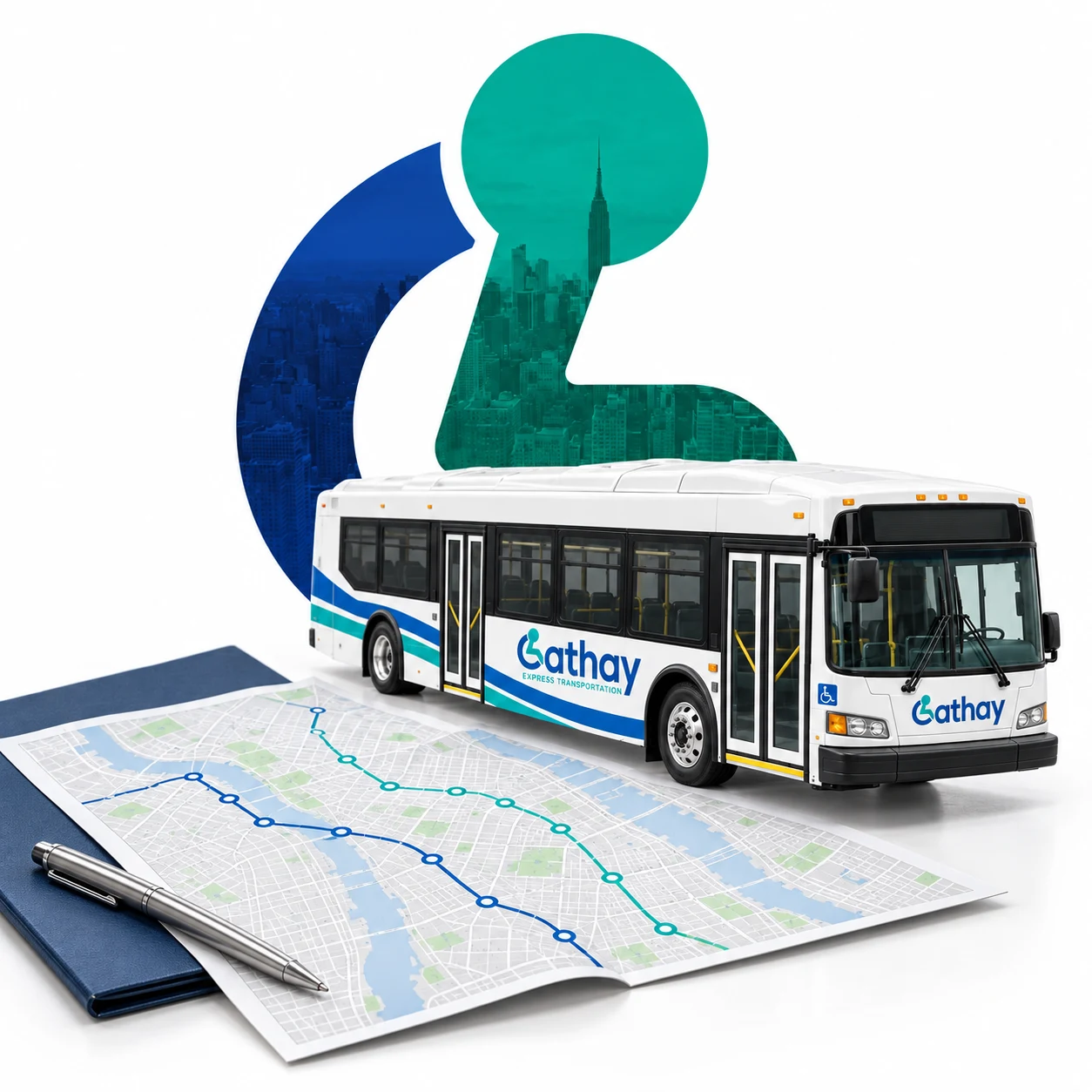
A transportation study is most useful when it helps an agency make a decision. That might mean restoring a bus network, adjusting service hours, improving connections, or choosing how to operate a county-owned fleet. The work should connect community needs with realistic options, understandable tradeoffs, and a clear path to implementation.
Begin with the decision the study must support
Define the problem before choosing the solution. Is the agency trying to reach an unserved employment area, improve reliability, make better use of existing vehicles, or understand why residents are not riding? Each question calls for different evidence and may lead to a different recommendation.
Set out the study area, services included, available budget information, and decision-making timeline. Identify which issues are within the project’s scope and which require a separate process. A shared brief helps prevent a broad review from becoming a collection of interesting findings with no clear next step.
Build a picture of today’s service
Start with routes, schedules, ridership patterns, operating costs, staffing, vehicle condition, and major destinations. Look at when people need to travel as well as where they need to go. A stop near a workplace may offer little practical access if the first bus arrives after the shift begins.
The FTA’s National Transit Database offers information that can support comparisons and trend analysis. Use peer comparisons carefully: similar fleet sizes do not necessarily mean similar geography, service hours, or operating conditions. Local records and rider experience remain essential to understanding the actual system.
Further readingFTA: National Transit Database (opens in a new tab)Include the people who use—and cannot use—the service
Talk with current riders, people who cannot make the existing schedule work, employers, healthcare facilities, schools, and community organizations. Ask about specific journeys and barriers. A missed connection or an inaccessible path to a stop can explain something that a ridership total cannot.
The U.S. Department of Transportation’s public involvement guidance emphasizes meaningful participation early in transportation decisions. For a local study, that means choosing ways to hear from people who may not attend a formal meeting and explaining how their input affects the options under consideration.
Further readingU.S. DOT: meaningful public involvement guidance (opens in a new tab)Compare options using the same assumptions
A useful study presents alternatives that can be compared fairly. For example, expanding the service area and increasing frequency on existing routes may require different staffing and vehicle commitments. Explain which destinations, travel times, and riders each option would serve, along with the resources it would require.
Keep estimates and confirmed information distinct. Document assumptions about driver availability, fleet readiness, operating hours, and funding. Identify questions that need further validation before implementation. The goal is to help decision-makers understand the consequences of a choice, rather than presenting a preferred map without an operating plan.
Ask for an implementation path
Before the study is complete, establish the deliverables needed to move forward:
- A clear account of current service and the gaps identified.
- Comparable service options with costs, constraints, and assumptions.
- A documented explanation of community input and the response to it.
- Recommended next steps, responsible parties, and decision milestones.
- A plan for communicating changes and reviewing performance after launch.
Cathay’s Transit System Evaluation & Service Planning Study service helps agencies work through transportation needs and possible operating approaches. The scope and deliverables are agreed with the agency. A strong study should leave the team better prepared to make decisions, explain them to the community, and organize the work needed to put an approved plan into service.
Your next step
Discuss a transit planning study
Connect with our team to discuss your needs and the available arrangements.