
Public transit
What makes a public bus service useful to its community?
A route on a map is only the beginning. Service hours, connections, stop access, and clear passenger information determine how well a network fits everyday life.
A bus route can pass a workplace, shopping center, or clinic and still be difficult for people to use. The first departure may be too late for a shift, the return may leave before an appointment ends, or the connection may require a long wait. Understanding those everyday journeys helps communities ask better questions about their public transportation service.
Look at the complete journey
Start with a real trip: a resident leaving home, reaching the stop, boarding, making any connection, and walking or rolling to the destination. Then consider the return. Each part can reveal a barrier that is invisible when the discussion focuses only on the bus route itself.
For example, a service might provide a convenient arrival at a clinic but no practical departure after its afternoon appointments. Another might serve a job center during office hours while missing early and late shifts. These examples are reasons to examine travel times, not evidence that every route needs the same schedule.
Consider frequency and operating hours together
Frequency describes how often service runs. Operating hours describe how early and late it is available. More frequent trips during a short part of the day serve a different need from less frequent trips spread across a longer period. An agency has to weigh those choices against available vehicles, staff, and funding.
Ask who benefits from a proposed change and which journeys remain difficult. A later final departure might matter greatly to evening workers, while a shorter daytime wait might help people making several errands. Clear priorities make those tradeoffs easier to explain.
Pay attention to stops and connections
A useful stop is part of a journey, not simply a point on a map. Review how passengers reach it, identify it, and continue from it. Where an access concern involves a sidewalk, crossing, or property entrance, the transit operator may need to coordinate with another responsible agency or landowner.
Connections also deserve practical review. A timetable can look coordinated while leaving too little time to move between stops. Speak with riders about their actual experience, and examine how delays affect the next leg. This can identify a problem without assuming that adding another route is the only solution.
Make information as usable as the service
Passengers need current routes, schedules, fare instructions, and a clear contact for questions. Publish changes in places riders can find before they travel. Explain the effective date and distinguish a temporary disruption from a permanent schedule revision.
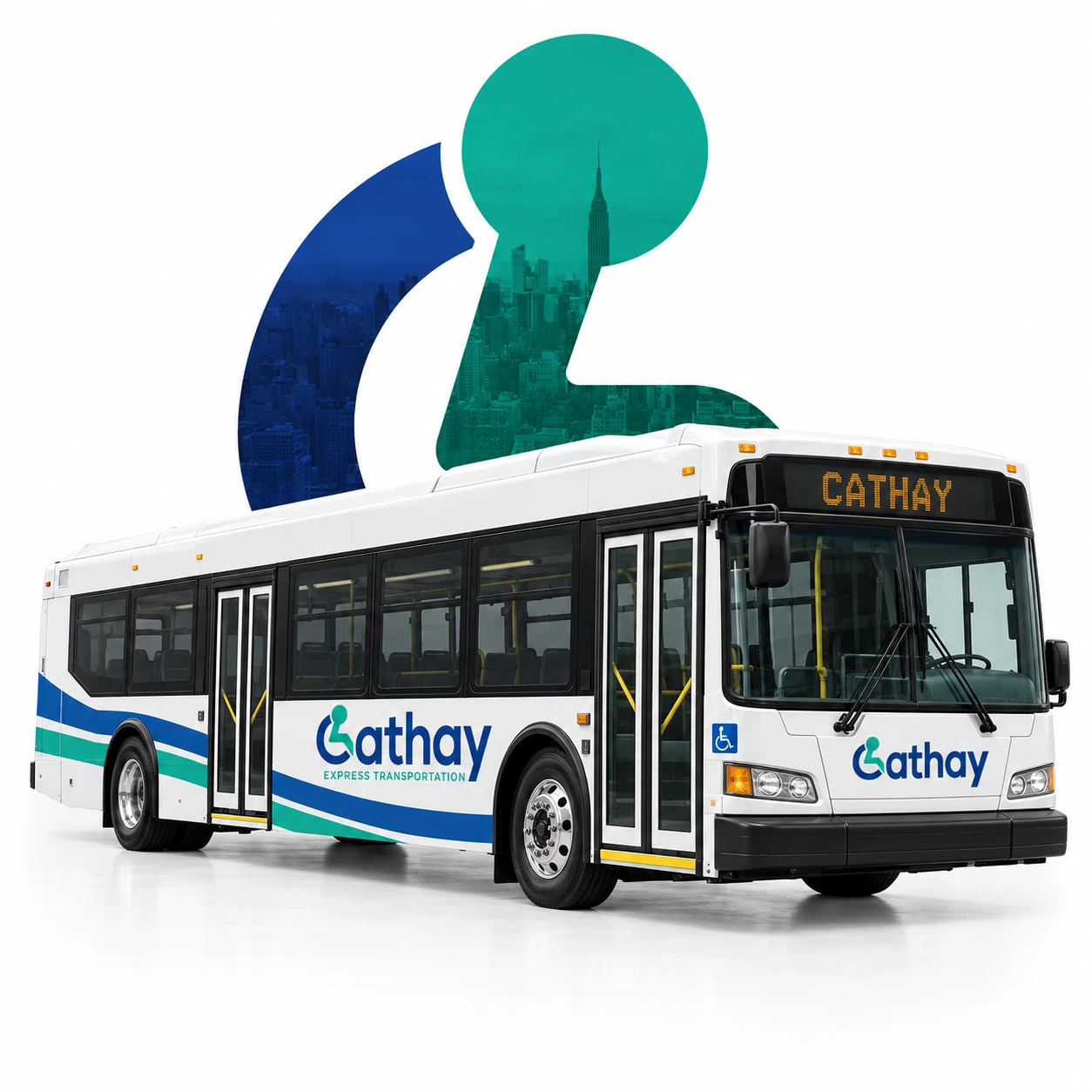
For local context, Chenango County’s official transit page identifies Cathay Express Transportation as its provider. Riders should use the county’s current information and confirm journey details with the appropriate contact. A transportation announcement is not a substitute for a current timetable.
Further readingChenango County: official transit information (opens in a new tab)Connect community feedback to specific decisions
Useful feedback describes an actual trip and what prevents it from working. Agencies can organize that input alongside operating information when reviewing service. FTA’s transportation planning resources provide a broader reference for the planning process.
Further readingFTA: transportation planning resources (opens in a new tab)- Which destinations and travel times are difficult to reach?
- Is the barrier a schedule, connection, stop, or information issue?
- What change is being proposed, and who would it help?
- What resources and coordination would implementation require?
Cathay’s public transit work connects daily operations with community transportation needs. Looking beyond the route line helps agencies and riders discuss service in terms of the journeys people actually need to make.
Your next step
Explore Cathay’s public transit work
Connect with our team to discuss your needs and the available arrangements.