
Ambulette
The vehicle is accessible. Is the building entrance ready?
How to discuss doors, elevators, pickup entrances, and temporary access changes before a wheelchair transportation trip.
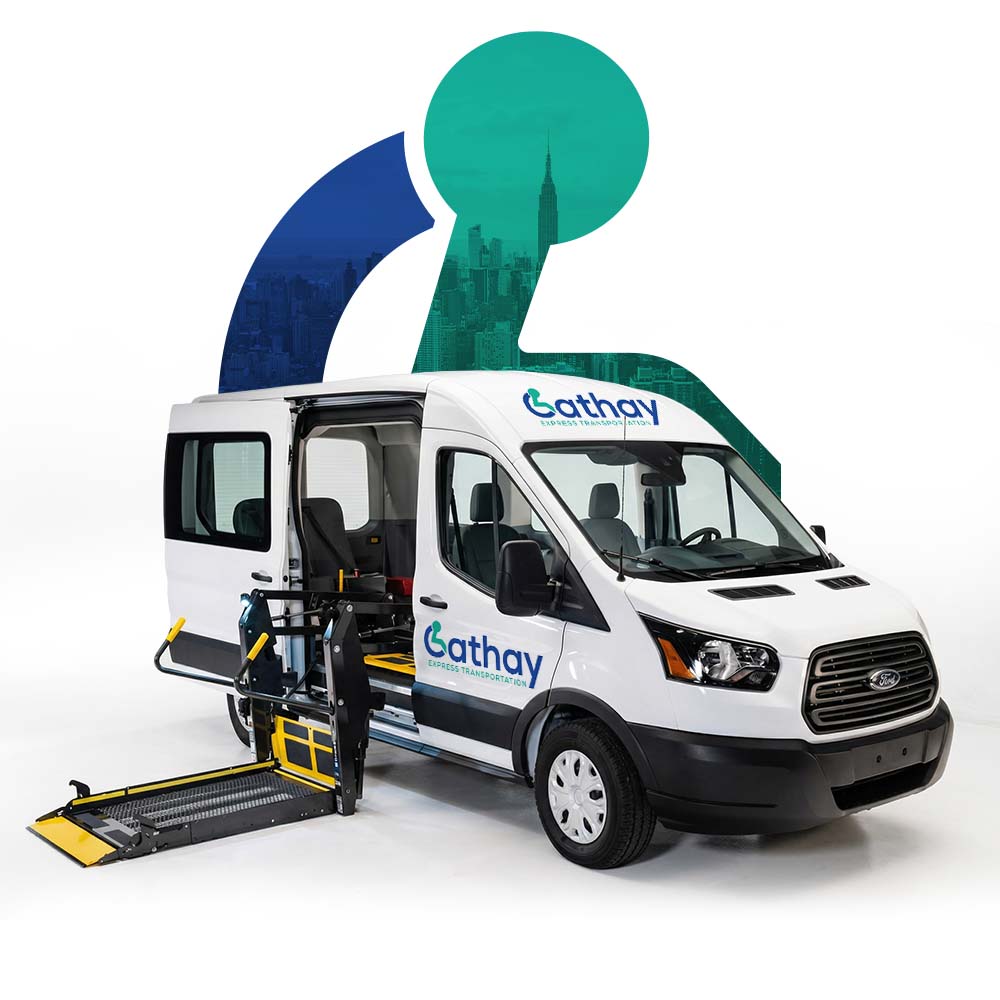
A wheelchair transportation booking connects two buildings as well as two addresses. The passenger may have an appropriate vehicle arranged and still face an unanswered question at the entrance: which door is open, whether the elevator is working, or who can provide access. Reviewing those details in advance helps the transportation team assess the actual journey.
Describe the route from the room to the vehicle
Walk through the route in conversation before the trip. Start at the passenger’s location, then consider interior doors, elevators, building exits, and the agreed boarding area. Ask the destination to describe its arrival route too. A familiar entrance at home does not tell you whether the appointment building has a suitable entrance.
Give dispatch specific observations rather than saying only that a building is accessible. Mention any steps, narrow turns, steep approaches, locked gates, or construction. If there is a question about suitability, ask for review before the booking is confirmed. Do not improvise a way around an obstacle on the day.
Confirm the entrance that will actually be open
Some buildings have a separate accessible entrance or different entry arrangements outside normal business hours. Call the building or facility to confirm the correct door and how it is reached from the street. An online map pin may identify the property without identifying the usable entrance.
Record the entrance description alongside the street address. If staff must unlock a door or operate an elevator, identify a contact who will be available at the expected arrival time. Recheck arrangements when the trip falls on a holiday or the facility changes its hours.
Discuss the wheelchair and assistance needs
Tell the transportation team about the mobility device the passenger will use and the assistance needed along the route. Provide measurements or equipment details if dispatch requests them. The team must assess compatibility and the arrangements required; a generic vehicle label is not a confirmation that every device or access situation can be accommodated.
A change in the passenger’s mobility, equipment, or building access should be communicated before travel. Describe the change without guessing at handling methods. Leave equipment use and passenger assistance to appropriately trained personnel under the agreed service arrangements.
Make a plan for an access problem
Ask who to contact if an elevator is unavailable or an entrance is unexpectedly closed. Share that number with the passenger or person meeting the vehicle. The fallback should be a confirmed arrangement, not an instruction to try another doorway without checking.
For example, a facility may confirm a different entrance for a temporary closure. Dispatch still needs to review whether that revised meeting point works for the booked service. If the route cannot be confirmed, resolve it with the building and transportation team before proceeding.
Check both ends before the travel day
A useful final check covers the pickup entrance, destination entrance, responsible contacts, equipment information, and return arrangement. Keep the note short enough that everyone can find the details quickly.
Contact Cathay with the addresses and access questions when arranging ambulette transportation. Clear information helps the team discuss suitable arrangements and identify questions that need to be settled before the trip.
Your next step
Discuss access for a wheelchair transportation trip
Connect with our team to discuss your needs and the available arrangements.