
Public transit
Two buses, one journey: planning a transfer that works
How to review connection times, stop locations, fares, and the return journey before making a trip that uses more than one bus.
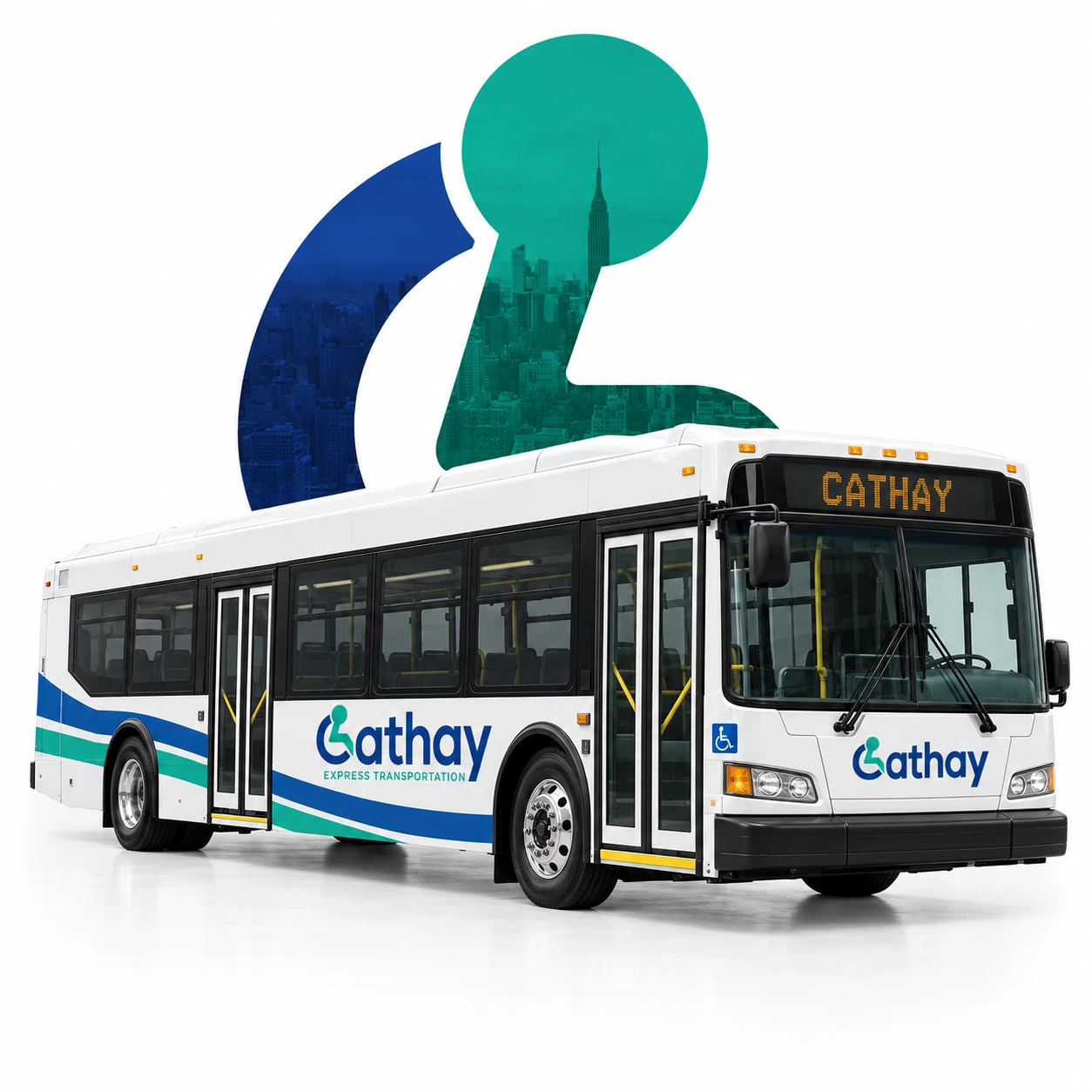
A journey with a transfer needs more than two route numbers. The connection includes the first bus’s arrival, the path between stops, the next departure, and what you can do if the first service is delayed. Reviewing that middle part of the journey can make a new trip much easier to understand.
Look at the whole journey on the correct day
Use the transit agency’s current timetable or trip planner for the actual travel date. Check that both routes operate on that day and at the hours you need. Weekday, weekend, and holiday service may differ, so a timetable saved from an earlier trip may not apply.
Start with the time you need to reach the destination, then work back through the connection. Include the time between the final stop and the building you are visiting. Check the return journey separately rather than assuming the outbound connection works in reverse.
Identify the exact transfer stops
Two stops with the same neighborhood name may be on opposite sides of a wide road or on different blocks. Confirm the stop locations and direction of travel for each route. Look for the destination sign or route branch shown in the agency’s instructions.
Consider the actual path between stops, including crossings, curb access, and any mobility needs. If the path is unclear, contact the transit agency or destination for help. A short distance on a map does not explain whether a connection is practical for an individual passenger.
Leave room for uncertainty
A timetable shows planned service; it does not promise that two independently operating buses will meet perfectly on every trip. Examine how long the connection allows and when the following bus departs if you miss it.
For a time-sensitive appointment, compare an earlier departure with the consequences of a missed connection. There is no single buffer that suits every route or passenger. Service frequency, walking time, local conditions, and the importance of the arrival time all affect the choice.
Check payment rules before boarding
Review the agency’s current fare and transfer information. Ask whether the same payment method can be used on both services and whether a separate operator has different rules. Do not assume that two buses serving the same area share fares or transfer privileges.
If you use a reduced fare program, confirm how it applies to the services involved. Keep the required payment method or eligibility material available, following the agency’s instructions. Resolve questions before travel where possible.
Know your next step if plans change
Save the route numbers, stop names, next available departures, and agency information contact. Check service alerts before leaving and again if a connection appears disrupted. If the connection is the last practical trip of the day, make sure you understand the alternatives before you start.
A transfer plan is strongest when it includes both the intended journey and a realistic response to a delay. For Cathay-operated public transportation, consult the relevant local service’s published rider information for routes, schedules, and fares.
Your next step
Ask about public transportation services
Connect with our team to discuss your needs and the available arrangements.