
School bus
Before changing a school bus stop, review the whole walking path
How families, schools, and transportation teams can raise and evaluate a stop-change request using clear, route-specific information.
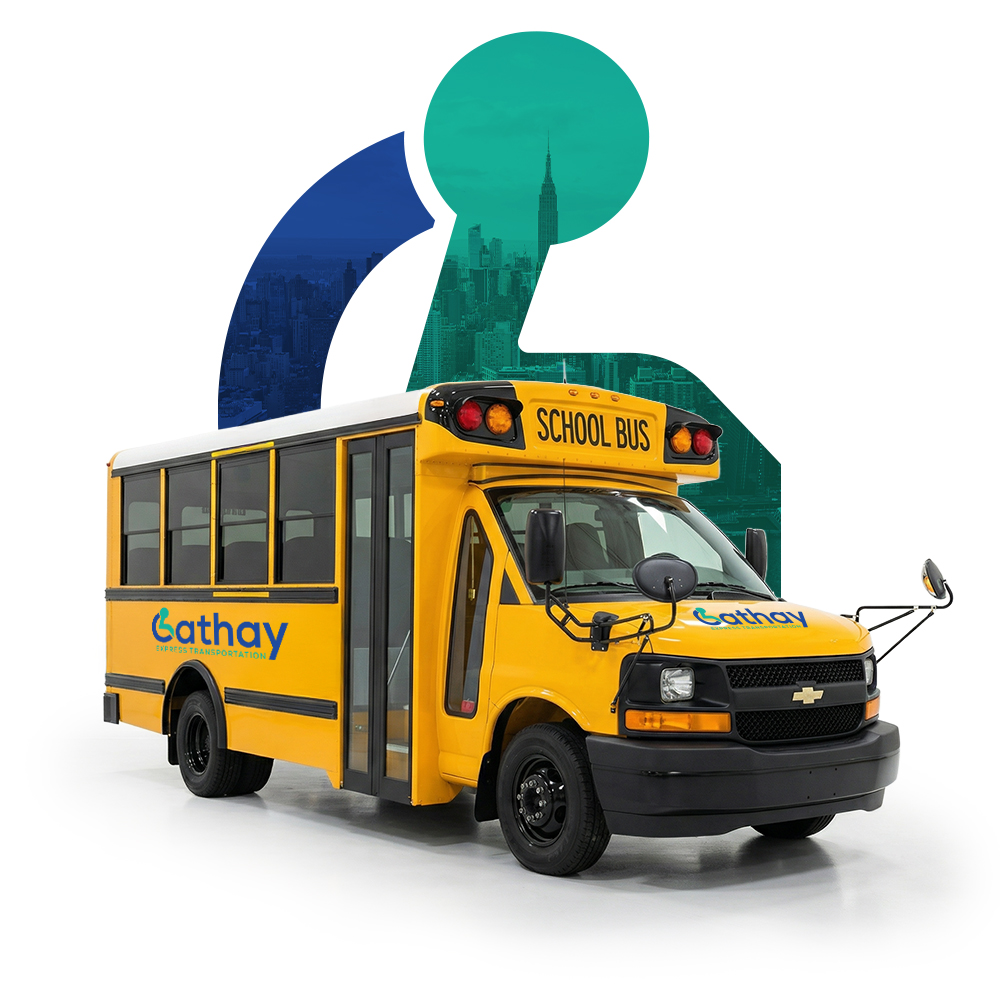
A proposed school bus stop can look close on a map while presenting a difficult walk, an unsafe crossing, or an operational conflict on the street. Families should use the school or district’s approved process and describe the complete path, not just request a corner by name.
Document the current trip from door to stop
Write down where the student waits, the route used to reach the stop, the streets crossed, and the side of the road used for boarding. Note missing sidewalks, limited sight distance, construction, drainage, lighting, traffic patterns, or other observable conditions.
Use specific locations and times instead of general statements. A clear description helps the school and transportation team review the concern in context. Do not direct a child to use an unofficial stop while a request is being considered.
Explain what the requested change would solve
State the concern and the proposed outcome: for example, avoiding a particular crossing, using a maintained walking path, or aligning with an approved caregiver arrangement. Include any student-specific information through the school’s authorized channel.
A closer stop is not automatically a safer or workable stop. Vehicle turning space, visibility, traffic controls, other students, road restrictions, and route timing may all affect the review. Let the responsible school or district make the formal stop decision.
Further readingNational Highway Traffic Safety Administration: Planning Safer School Bus Stops and Routes (opens in a new tab)Review arrival and departure separately
Morning and afternoon conditions may differ. Traffic direction, parked vehicles, daylight, caregiver availability, and the side on which the student exits can change the walking path. Describe both trips when the requested stop would serve both.
If the student has an approved transportation accommodation or specialized support plan, make sure the authorized team evaluates how the proposal fits that plan. Avoid placing sensitive student information in a public message or neighborhood discussion.
Keep using the confirmed stop until told otherwise
A suggestion, field observation, or conversation with a driver is not the same as an approved route change. Wait for the school or district to communicate the effective date and the official stop instructions.
Drivers should follow the authorized route and stops. Asking for a same-day deviation can create confusion for the student, family, school, and dispatch. Use the designated contact for urgent day-of-service questions.
Close the loop with everyone who needs the answer
When a decision is made, confirm the stop location, pickup or drop-off instructions, start date, and who may receive the student if applicable. Make sure the family, school staff, transportation team, and approved caregivers have the same information.
Continue to report changed conditions through the approved process. Contact Cathay to discuss school transportation operations and the communication workflow for authorized route or stop updates.
Your next step
Discuss school transportation coordination
Connect with our team to discuss your needs and the available arrangements.